
 3075290078
.jpg) 4169005786
4169005786Sustainable Hydrogen Powered Backup Generators
The rise of AI is driving the need for massive data centers, which require vast amounts of energy. Clean Energy Parks provide the solution with zero-carbon electricity from renewable sources, ensuring sustainability for the future.
Our Sustainable Solutions
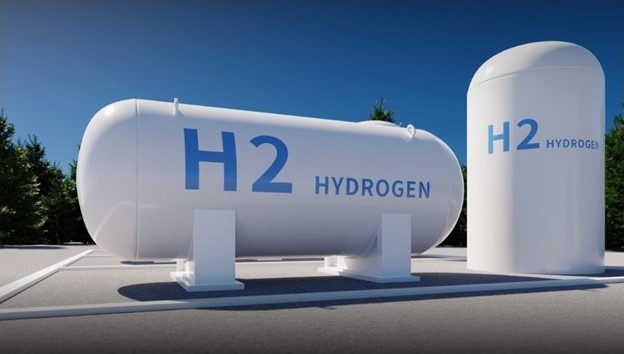
100% Renewable Hydroelectricity: Clean, reliable power to eliminate emissions.
- Strategic Locations: Near talent, hydropower, connectivity, and land for expansion.
- Advanced Infrastructure: Tier IV fault-tolerant systems with green hydrogen backup.
We're committed to minimizing our environmental impact through sustainable infrastructure. Here's how we're doing it:
- Green Hydrogen Production: We use renewable sources to produce green hydrogen off-site, ensuring zero carbon emissions.
- Efficient Transportation and Storage: Compressed hydrogen is transported and stored on-site, ready to fuel our backup power system.
- GE Hydrogen-Powered Gas Turbines: Our backup power is generated by GE hydrogen-powered gas turbines, providing a clean and reliable energy source.
- Tier IV Backup Power: This system ensures continuous operation even during power outages, minimizing disruptions.
This approach to sustainable infrastructure allows us to reduce our carbon footprint and contribute to a cleaner energy future.
A "hydrogen-fueled gas turbine" is a technology that uses hydrogen as fuel to power a gas turbine, generating electricity with significantly reduced carbon emissions compared to traditional fossil fuels. It acts as a cleaner alternative for power generation by burning hydrogen instead of natural gas within a turbine engine. These turbines can potentially achieve higher efficiencies and can often be adapted to operate on a blend of hydrogen and natural gas. While challenges remain regarding combustion stability and potential for increased nitrogen oxide (NOx) emissions when operating solely on hydrogen.
Key points about hydrogen fueled gas turbines:
- Clean energy source: When hydrogen is produced from renewable hydroelectric sources, burning it in a gas turbine generates virtually no CO2 emissions, contributing to a cleaner energy grid.
- Flexibility for grid stability: Hydrogen can be stored and used as needed to balance fluctuations in renewable energy supply, making it a valuable tool for grid stability.
- Existing infrastructure adaptation: Existing gas turbine infrastructure can be adapted to utilize hydrogen blends or even operate fully on hydrogen with modifications to combustion systems.
Why It Matters
Data centers are energy-intensive, and their carbon footprint is growing. Our approach reduces emissions, lowers costs, and positions us as leaders in sustainable technology.Innovative Backup Power
Hydrogen fuel cells offer a clean, efficient alternative to diesel generators, enhancing reliability and supporting grid stability.Competitive Edge
Our energy-efficient solutions provide a unique advantage, opening new markets and strengthening our brand as a leader in responsible innovation.Powering the Future, Sustainably
Join us in building a cleaner, more resilient energy future for data centers worldwide.Hydrogen Generators
A "hydrogen generator" for backup power in data centers refers to a system that uses hydrogen fuel cells to generate electricity during power outages, providing a clean and reliable backup power source by essentially burning hydrogen with oxygen to produce electricity and water as the only byproduct; this is considered a more environmentally friendly alternative to traditional diesel generators, especially when the hydrogen is produced using renewable energy sources like solar or wind power.
Key points about hydrogen generators for data centers:
- Clean energy: When produced from renewable sources, hydrogen fuel cells emit no harmful emissions, making them a sustainable option for backup power.
- High efficiency: Hydrogen fuel cells can convert a large percentage of the stored energy into electricity, providing high efficiency compared to other backup power options.
- Quiet operation: Unlike diesel generators, hydrogen fuel cells operate quietly, which is important for data centers where noise can be disruptive.
- Scalability: Depending on the data center's power needs, multiple hydrogen fuel cells can be stacked together to provide sufficient backup power.
- Storage challenges: While hydrogen fuel cells offer advantages, storing large quantities of hydrogen can be complex and requires specialized infrastructure.
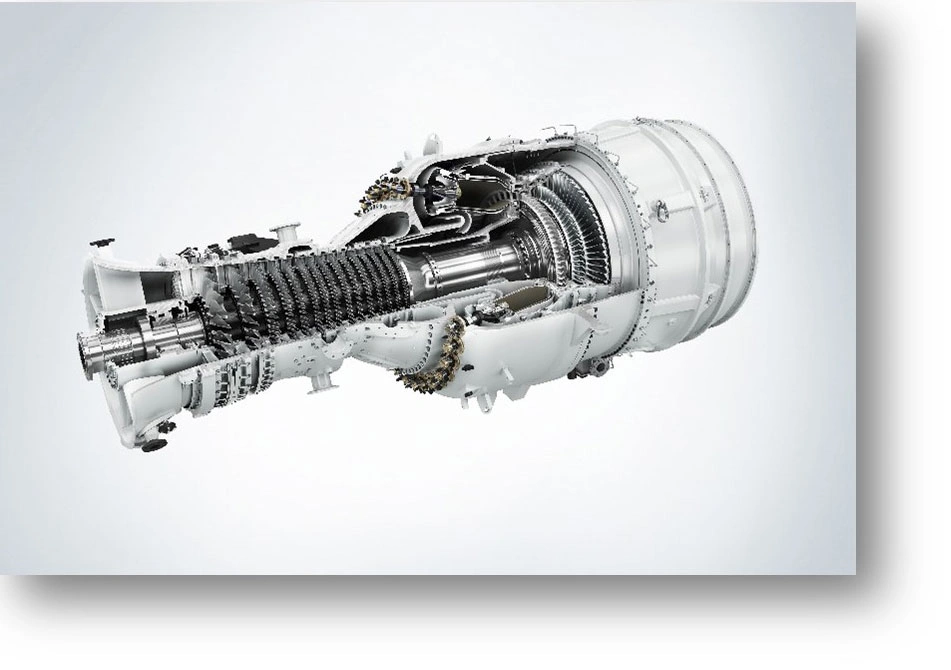
Siemens Energy: SGT-800 H2 Turbine for Backup
The market leading SGT-800 industrial gas turbine offers broad flexibility. The SGT-800 combines a simple, robust design, for high reliability and easy maintenance, with high efficiency and low emissions. Sustainable and future proof. Targeting 100% hydrogen capability by 2025.
Continuously improving other green fuel capabilities. Designed for flexible operation makes it perfectly suited for peaking power and grid support. Excellent simple cycle efficiency and steam-raising capability make it outstanding in cogeneration and combined cycle installations. More than 525 units sold and over 17 million operating hours. An excellent choice for both power generation and industrial applications. • High fleet reliability • Flexible solutions • Excellent performance
"The most powerful SGT-800 to date is aimed primarily at industrial power producers and oil and gas companies that have a particularly high energy demand," remarks Nick Muntz, CEO of the Siemens Distributed Generation Business Unit. "We're thus helping meet the rising global demand for distributed power generation and offering a high-end product for such applications."
Siemens is now offering its SGT-800 industrial gas turbine with a power output of 57 megawatts (MW) and an electrical efficiency of more than 40% in simple cycle application. In a combined cycle configuration the power output is 163 MW at a net efficiency of more than 58.5%. The company will present this upgrade for the first time at this year's Power-Gen Asia trade show in Bangkok. The SGT-800 is now available with power output from 47.5 MW to 57 MW thanks to this upgrade, which will be offered onto the market in addition to the current ratings.