
 3075290078
.jpg) 4169005786
4169005786Advanced Cooling Systems Revolution
AlphaChill Loop Heat Pipes
AlphaChill’s thermodynamic systems are concerned with the generation of unwanted heat and it’s relation to electronics performance, thermal management, transport, cross-over systems interactions, noise, and heat reclamation. We reduce thermal load in single or high-density computing environments more cost-effectively than any other technology.
AlphaChill technologies provide performance stability, ease of integration, long-term service lifetime, dependability, and unprecedented over-clocking headroom.
Contemporary processors and semiconductors with high energy consumption like those found in CPU's, GPU's, create heat as a by-product through electrical resistance.
Electrical resistance opposes the flow of electric current which degrades performance. Resistance decreases exponentially with temperature; the colder the better in terms of electronics.
In general, electrical resistivity increases with temperature. GPU's for example have TjMax operating limits where they simply shutdown when a temperature threshold is exceeded. With high enough voltage applied, electronics fail, materials fail, and conductivity fails.
This temperature is the maximum temperature the CPU can work without burning. The lower the GPU temperature, the better. Good quality GPU coolers and the correct use of thermal interface material, including grease, paste, thermal pads, Phase Change Metallic Alloy (PCMA) will make your GPU to work way below its maximum rated temperature.
Present day GPU's have millions of microprocessor transistors within a chipset and consume massive amounts of power in the aggregate on a global scale. While computing power has increased exponentially, so has energy demand and as a result, heat.
Overclocking
CPU clock rates are normally determined by the frequency of an oscillator crystal. Overclocking makes a computer or component operate at higher frequencies than standard clock rates published by manufacturers (frequency reference signal).
One of the most important techniques is running at a higher clock rate (more clock cycles per second), but other parameters, such as GPU multiplier and memory timings, can also be changed and would be considered `overclocking` as well. Operating voltages may also be changed (increased), which can increase the speed at which system components run faster than stock reference specifications.
Generally, an increase in frequency is accompanied by an increase in temperature in the components whose frequency was increased. Most overclocking techniques increase power consumption, generating more heat, which must be carried away. Components affected by this increase in temperature must be properly ventilated (the processor is one component that will obviously experience a major increase in temperature, but other components will be affected as well.
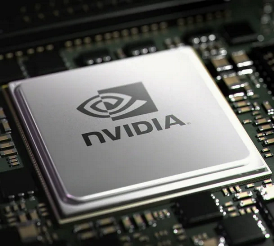
Temperature
As GPU operating temperature increases, performance is reduced to lower the operating temperature below safe limits. Additionally, even within safe operating thresholds, GPUs that operate on the high end of their thermal design spectrum are prone to failure months to years sooner than processors operating under lower temperatures.Microprocessors heat due to the Joule effect, which is the process of transforming electrical energy into heat. Inside the GPU there are interconnected conductors and semiconductors. The Joule effect appears due to the shock between electrons and the conductor ion mesh, leading to an increase in the temperature of the conductor.
The GPU
Components are often designed to generate as little heat as possible. Computers and operating systems may be designed to reduce power consumption and consequent heating according to workload, but more heat may still be produced than can be removed without attention to cooling.Just like all electronic components, the GPU produces heat while it is running. Heat in excess, however, isn’t good and can even lead your GPU to burn or to become unstable. The heat generated by an electronic device needs to be removed as soon as possible; otherwise its internal temperature will increase.